Deck and Patio Pressure Washing in Montgomery: What Homeowners Should Know Before Booking
Not every outdoor surface should be cleaned the same way
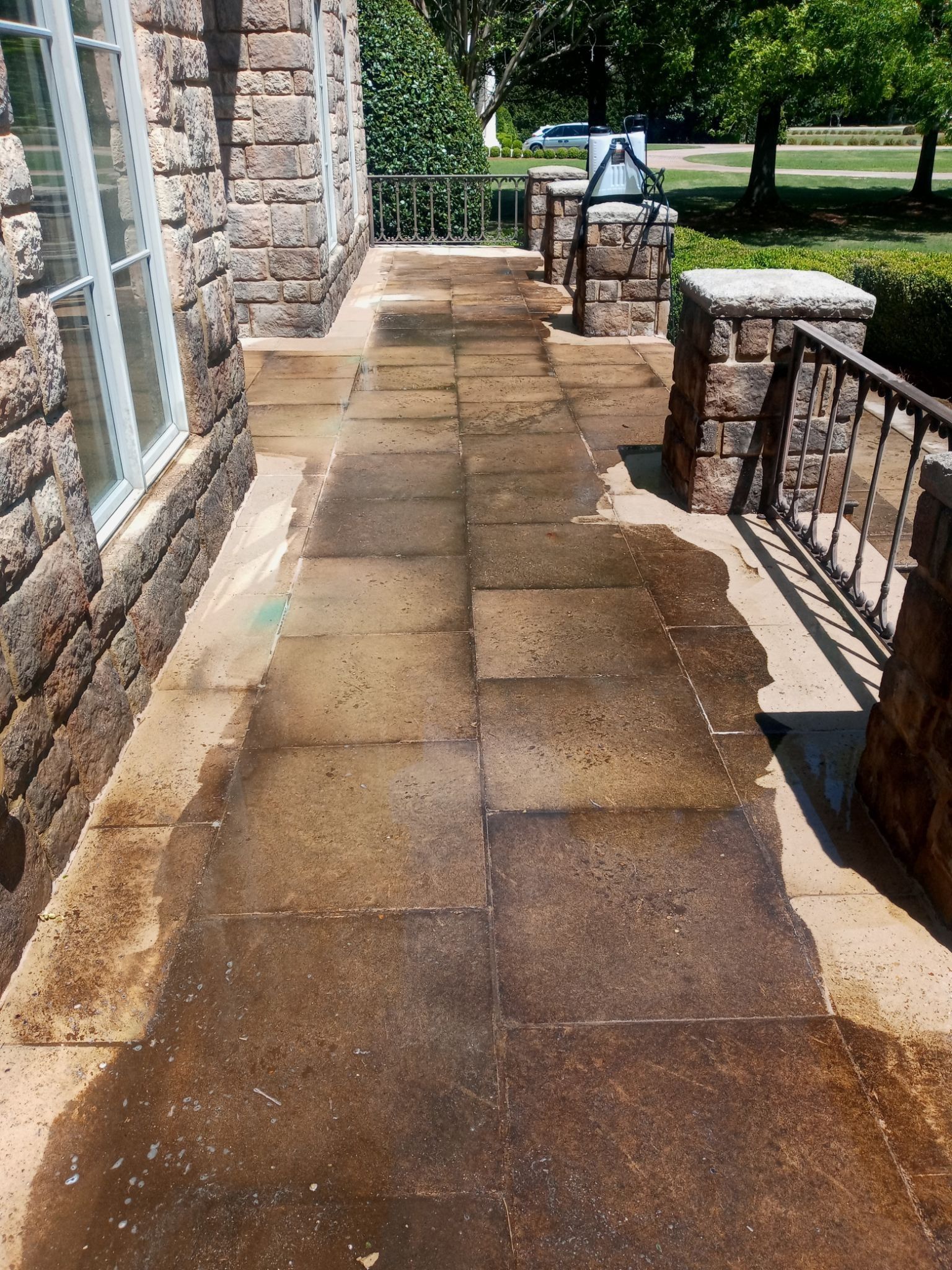
As the seasons shift, Montgomery homeowners start looking at their decks and patios a little differently. Winter grime, pollen buildup, mildew in shaded corners, and months of foot traffic all take a toll on outdoor living spaces. It's around this time that searches for pressure washing for decks and patios near me tend to spike — and for good reason. A clean deck or patio doesn't just look better; it extends the life of the surface and makes the space genuinely enjoyable to use again.
But before booking the first available appointment, it's worth understanding that not all pressure washing is created equal — and using the wrong method on the wrong surface can cause real, sometimes irreversible, damage.
Why "Pressure Washing" Isn't a One-Size-Fits-All Service
Many homeowners assume that pressure washing means blasting a surface with high-powered water until the dirt disappears. In reality, professional exterior cleaning involves choosing between different techniques depending on the material being cleaned, its age, and its condition. Krystal Clean's residential services are built around this distinction, using either soft washing or high-pressure cleaning depending on what a specific job actually calls for.
Soft washing uses lower water pressure combined with specialized cleaning solutions to break down mold, mildew, algae, and grime at the surface level. This method is gentler and is typically the better choice for:
- Wood decking, especially older or weathered boards
- Painted or stained surfaces
- Delicate siding materials
- Areas where high pressure could strip finish or drive water behind boards
High-pressure cleaning, on the other hand, uses stronger water force to physically remove tougher buildup — think grease stains, deeply embedded dirt, or years of neglected grime. This approach tends to work better on:
- Concrete patios and walkways
- Stone surfaces built to withstand higher pressure
- Areas with heavy oil, rust, or algae staining that soft washing alone won't fully lift
Choosing the wrong method for a surface is one of the most common ways a well-intentioned cleaning job goes wrong.
The Risk of DIY or Mismatched Pressure Washing
It's tempting to rent a pressure washer for a weekend and tackle the deck or patio yourself. But without the right equipment settings, nozzle selection, and technique, homeowners risk:
- Etching concrete or stone — excessive pressure applied too close to the surface can leave permanent marks or grooves that no amount of further cleaning can fix
- Splintering or gouging wood — high pressure aimed directly at softwood decking can tear through the wood grain, leaving a rough, damaged surface
- Driving water into seams and joints — improperly angled spray can force water beneath deck boards or patio pavers, leading to hidden moisture damage, mold growth, or wood rot over time
- Uneven cleaning results — inconsistent pressure or technique often leaves streaks, missed spots, or a patchy appearance rather than a uniformly clean surface
A professional approach means assessing the specific material and its condition first, then selecting the pressure level, cleaning solution, and technique that will actually clean effectively without introducing new problems.
What a Professional Deck and Patio Cleaning Typically Involves
When a residential exterior cleaning job is done properly, it generally includes a few key steps:
- Surface assessment. Identifying the material (wood species, concrete, natural stone, composite decking, etc.) and its current condition, including any existing damage, staining, or areas of concern.
- Method selection. Choosing soft washing, high-pressure cleaning, or a combination approach based on that assessment — rather than applying the same technique to every surface on the property.
- Pre-treatment. Applying appropriate cleaning solutions to break down mold, mildew, algae, or stains before rinsing, which reduces the amount of raw pressure needed to achieve a clean result.
- Careful rinsing. Using the correct nozzle, pressure setting, and distance from the surface to lift dirt and grime without damaging the material underneath.
- Final inspection. Checking the finished surface for consistency and addressing any remaining problem areas.
This kind of methodical approach is what separates a lasting, damage-free clean from a rushed job that might look fine for a few days before problems start to show.
Signs Your Deck or Patio Is Overdue for Cleaning
Homeowners often wait longer than necessary to schedule a cleaning simply because they're not sure what to look for. Common signs it's time include:
- Visible green or black streaking, especially in shaded or low-airflow areas
- A slick or slippery texture on patio stone or concrete, often a sign of algae buildup
- Faded or grayed wood tone on decking that used to look richer in color
- Dirt buildup in the grain of wood or grout lines of stone that doesn't come off with a hose
- A musty smell near the deck or patio area after rain
Left unaddressed, these issues tend to worsen — mildew and algae can degrade wood fibers over time, and grime buildup on concrete can become more difficult (and more expensive) to remove the longer it sits.
Why Local, Method-Specific Cleaning Matters
Montgomery's climate — with its humidity, pollen seasons, and heavy summer rainfall — creates ideal conditions for mold, mildew, and algae to take hold on outdoor surfaces. A provider familiar with these local conditions understands not just how to clean a deck or patio once, but how to do it in a way that accounts for the specific wear patterns common in this region.
That local familiarity, paired with a method-specific approach rather than a generic one-size-fits-all pressure wash, is what tends to separate a cleaning that lasts from one that needs to be redone within a season.
Getting Your Outdoor Space Ready
Whether you're preparing your deck for spring gatherings or finally addressing a patio that's been bothering you for months, the most important step before booking any
pressure washing service
is understanding that the right method matters as much as the service itself. A provider who evaluates your specific surfaces — rather than defaulting to maximum pressure across the board — is far more likely to leave your deck or patio looking genuinely refreshed, without unintended damage along the way


Why Regular Exterior Cleaning Matters for Montgomery Businesses: A Guide to Commercial Power Washing