Why Regular Facade Cleaning Matters for Buildings
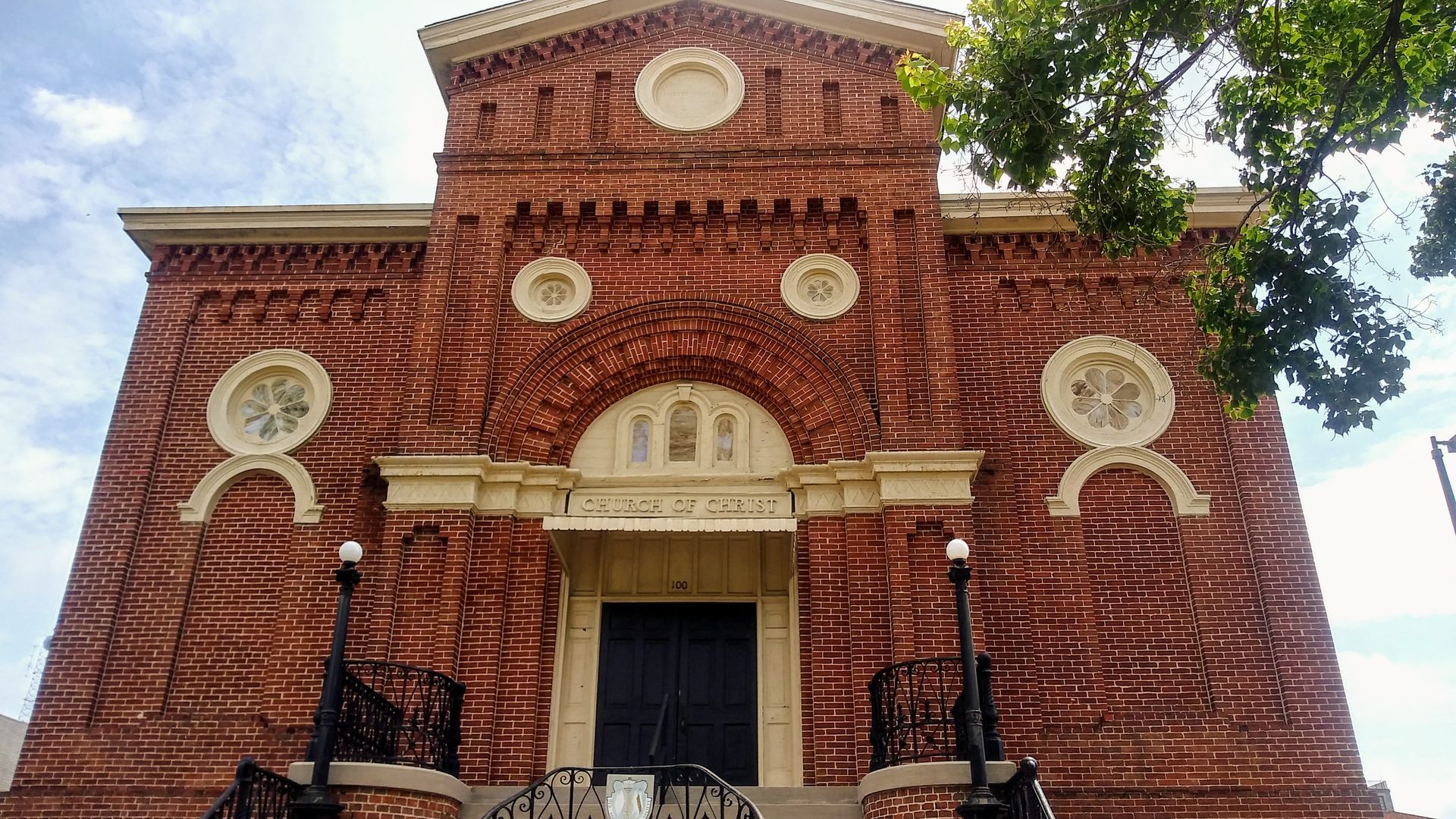
For commercial property owners and managers, first impressions matter. Whether you're welcoming customers, tenants, employees, or business partners, the exterior of your building sets the tone before anyone enters.
Over time, dirt, pollution, algae, mildew, pollen, and other contaminants can build up on exterior surfaces. While this buildup affects the appearance of your property, it can also contribute to premature wear and make routine maintenance more difficult.
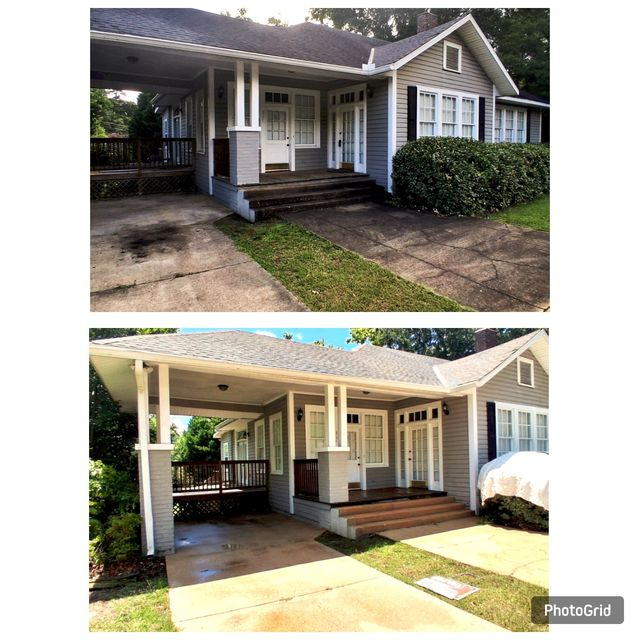
Professional commercial exterior cleaning is therefore more than a cosmetic service. Regular cleaning can help maintain your building's appearance, protect exterior surfaces, and support your property's long-term maintenance plan.
The Importance of a Clean Commercial Exterior
A well-maintained building creates a professional and welcoming impression. Clean exterior surfaces demonstrate attention to detail and can help reinforce confidence among customers, tenants, employees, and visitors.
For retail stores, office buildings, hotels, healthcare facilities, and other commercial properties, curb appeal can play an important role in how people perceive the business.
A clean facade, entrance, sidewalk, and surrounding area can make your property look more inviting while supporting a consistent professional image.
Why Do Commercial Building Facades Get Dirty?
Commercial buildings are constantly exposed to environmental contaminants, including:
- Dirt and dust
- Vehicle exhaust
- Pollen
- Algae and mildew
- Moss and organic growth
- Rain and moisture
- General environmental pollutants
Alabama's warm and humid climate can create favorable conditions for algae, mildew, and other organic buildup, particularly on shaded or moisture-prone areas.
If contaminants are allowed to accumulate, they can contribute to staining, discoloration, and deterioration of exterior materials over time.
Protect Your Building's Exterior Surfaces
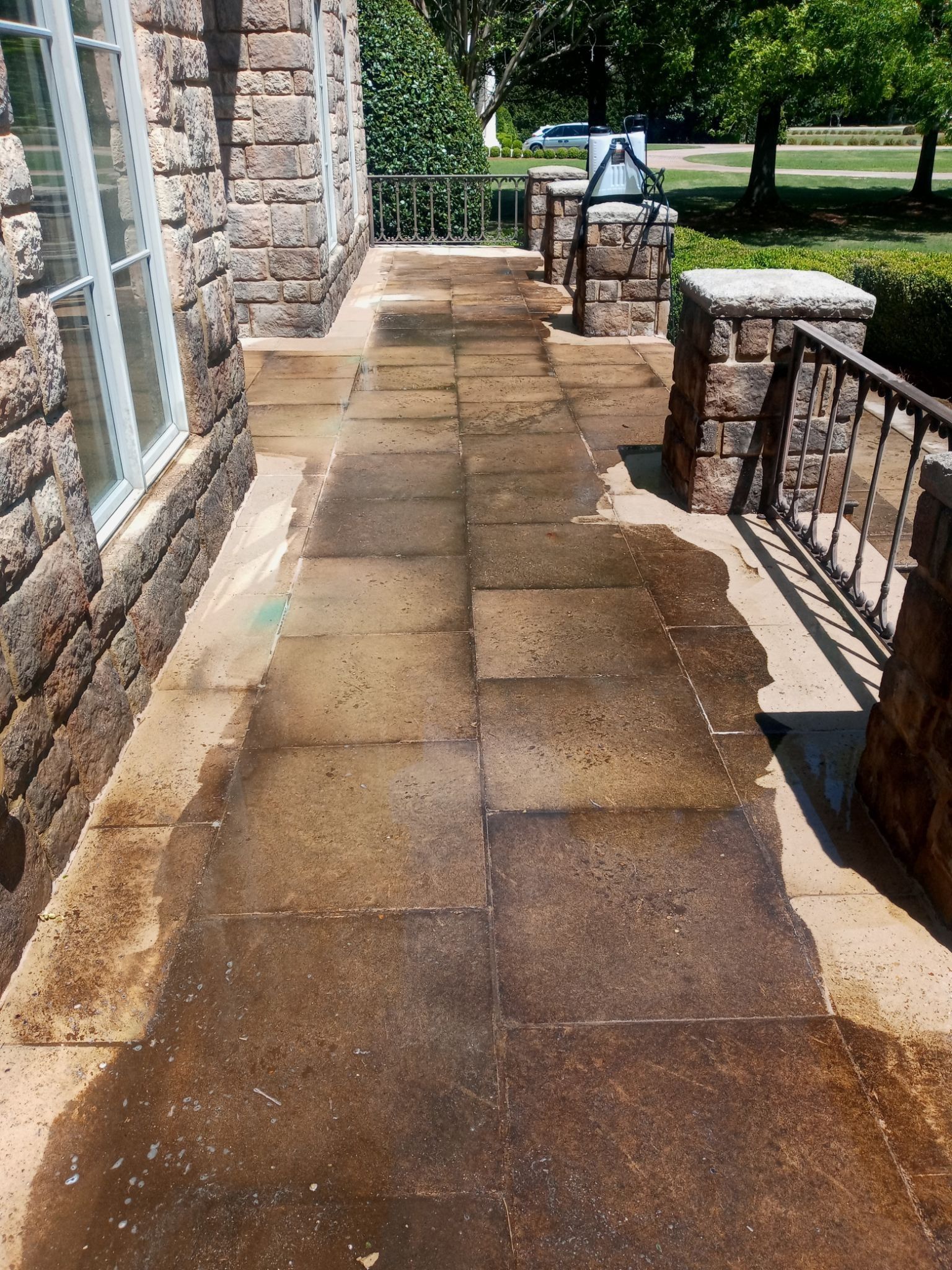
Exterior buildup isn't simply an appearance issue. Dirt, organic growth, and trapped moisture can affect porous materials such as brick, concrete, and other masonry surfaces.
Regular professional cleaning helps remove these contaminants before they become more difficult to manage. Maintaining clean exterior surfaces can also help property managers identify visible maintenance concerns, such as cracks, deteriorating mortar, or damaged coatings, that may require further inspection.
Routine facade cleaning can therefore be an important part of a broader commercial property maintenance strategy.
Why Professional Cleaning Is Better Than DIY
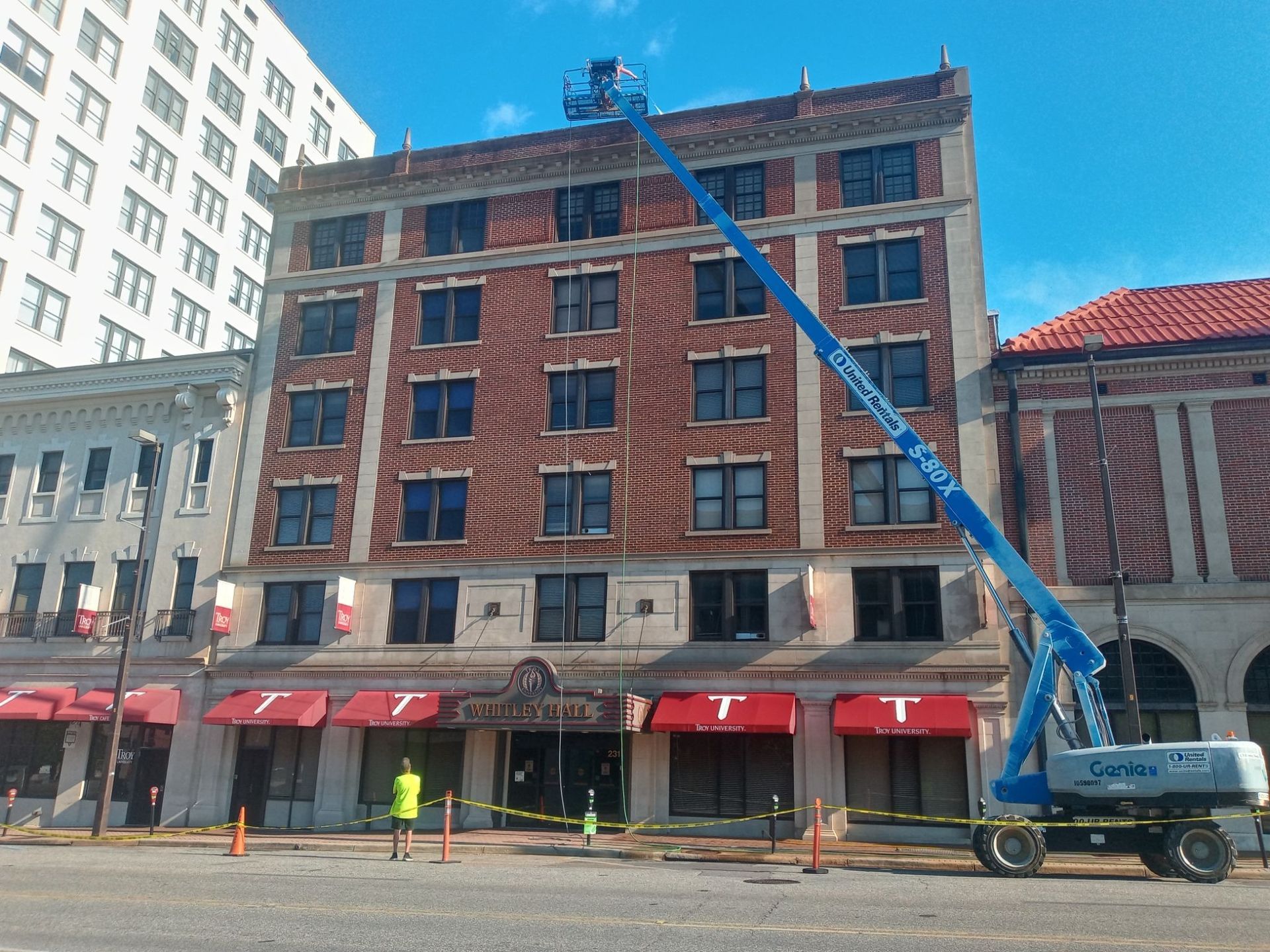
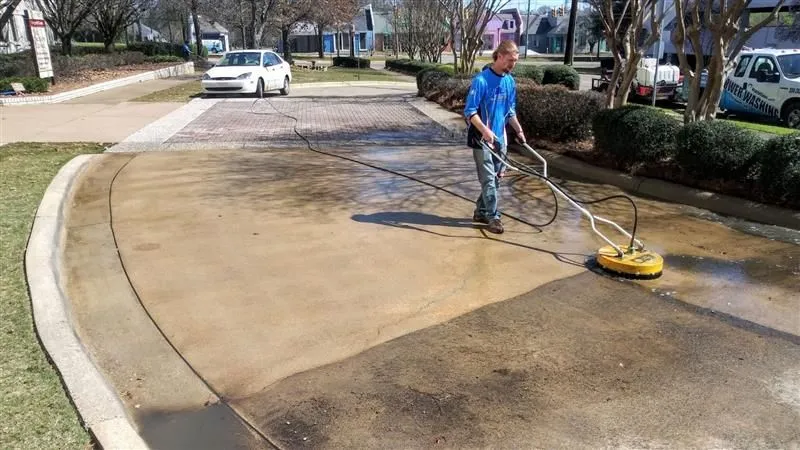
Cleaning a large commercial building requires the right equipment, techniques, and safety precautions. Using excessive pressure or the wrong cleaning solution can damage sensitive surfaces, remove protective coatings, or force water into gaps and vulnerable areas.
Professional pressure washing services can adjust the cleaning approach based on factors such as:
- Building materials
- Surface condition
- Building height
- Type of contamination
- Surrounding environmental conditions
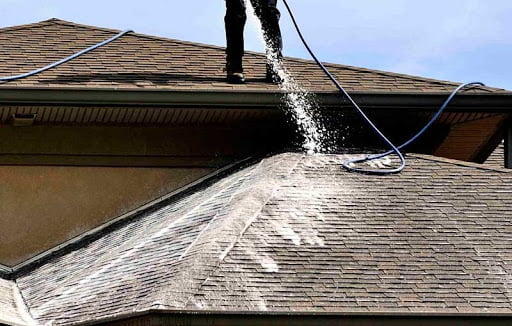
Depending on the surface, professionals may use pressure washing, soft washing, hot-water cleaning, or appropriate cleaning solutions to achieve effective results while minimizing the risk of surface damage.
Health and Safety Considerations
Regular exterior cleaning can also contribute to a cleaner and safer commercial environment.
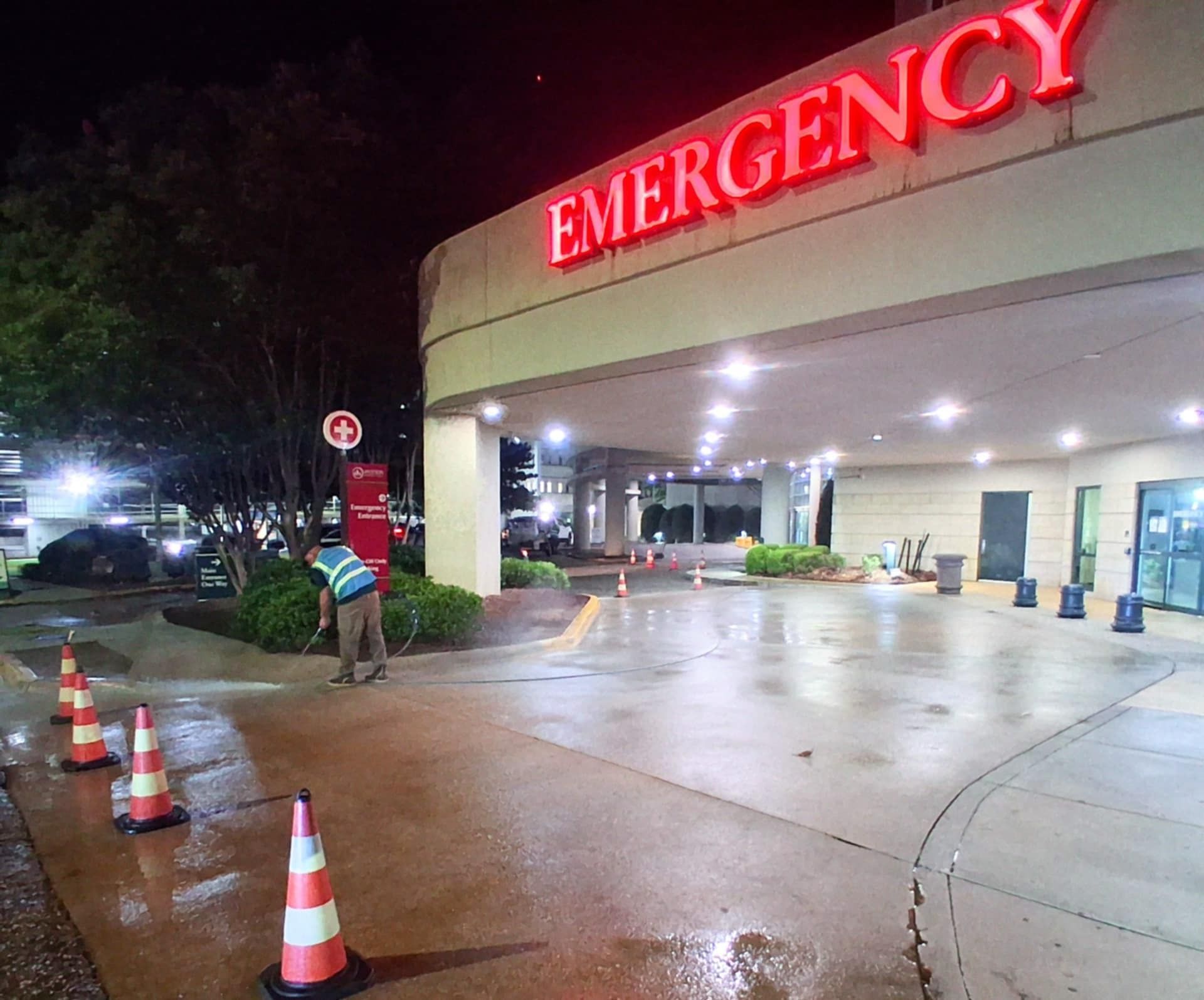
Organic growth and buildup around entrances, sidewalks, and other high-traffic areas can create slippery conditions when wet. Cleaning these areas regularly can help reduce the accumulation of potentially hazardous substances and maintain a safer environment for customers, employees, tenants, and visitors.
Keeping exterior surfaces clean also supports overall property cleanliness and maintenance.
Protect Your Professional Image
The condition of your commercial property can influence how customers, tenants, and visitors perceive your business.
A clean and well-maintained exterior demonstrates that you care about your property and the people who use it. Regular commercial exterior cleaning can help maintain a professional appearance across storefronts, office buildings, facilities, and other commercial properties.
How Often Should You Schedule Commercial Exterior Cleaning?
The ideal cleaning schedule depends on several factors, including your property's location, building materials, weather exposure, surrounding environment, and level of foot traffic.
Properties located near busy roads, surrounded by trees, or exposed to higher humidity may require more frequent cleaning. A professional assessment can help determine an appropriate maintenance schedule based on your property's specific needs.
Professional Commercial Exterior Cleaning in Alabama
At Krystal Clean, we provide professional commercial exterior cleaning services designed around the specific requirements of your property. Whether you manage a storefront, office building, commercial facility, or larger property, our team can help keep your exterior surfaces clean and well maintained.
We use appropriate cleaning methods and equipment based on the surface being treated, helping deliver effective results while protecting your property.
Ready to improve the appearance of your commercial property?
Contact Krystal Clean today to request a free estimate and discuss a customized exterior cleaning plan for your property.
Frequently Asked Questions
1. What is the difference between facade cleaning and standard pressure washing?
Commercial facade cleaning requires more than simply applying high pressure to a building. The appropriate cleaning method depends on the building material, surface condition, type of buildup, and surrounding environment.
Sensitive surfaces such as stucco, EIFS, older masonry, and certain architectural finishes may require lower-pressure methods and specialized cleaning solutions to help prevent damage.
2. Can professional facade cleaning help maintain building coatings and sealants?
Yes. Dirt, algae, mildew, and other contaminants can accumulate on exterior coatings and surfaces over time. Regular cleaning helps remove this buildup and supports routine exterior maintenance, potentially helping surfaces remain in better condition for longer.
3. Are there compliance considerations for commercial exterior cleaning?
Commercial properties may be subject to local property maintenance, cleanliness, or environmental requirements. Property owners and managers should review applicable local regulations and ensure that cleaning activities, including water runoff and waste management, are handled appropriately.
4. Which commercial facade materials require specialized cleaning?
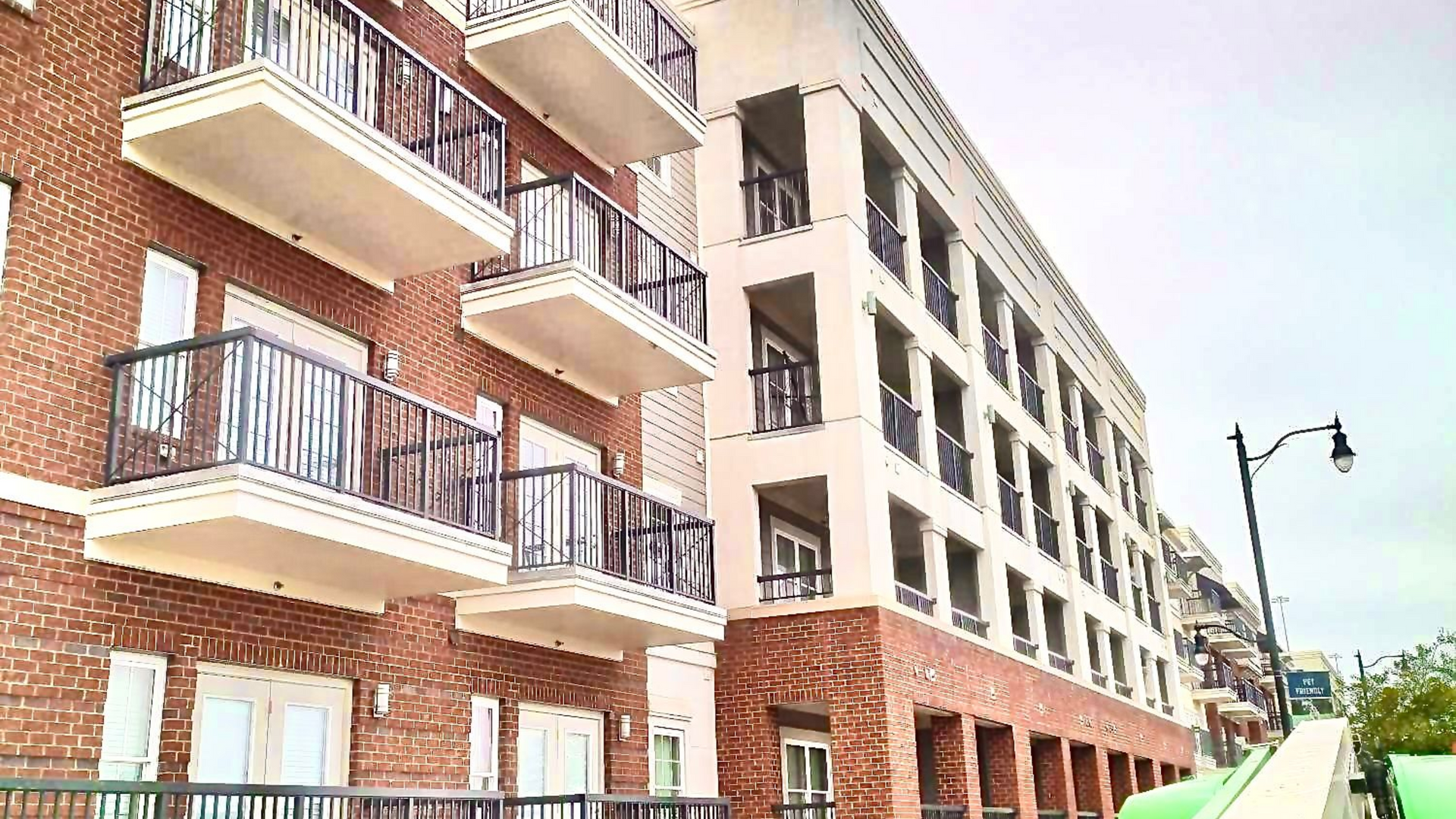
Different materials require different cleaning approaches. Brick, concrete, stucco, EIFS, stone, glass, painted surfaces, and other architectural materials may respond differently to pressure, heat, and cleaning solutions.
A professional cleaning assessment can help determine the safest and most effective method for each surface.
5. Can cleaning help identify potential building maintenance issues?
Yes. Removing dirt and organic buildup can make visible surface conditions easier to inspect. During routine cleaning, property owners or managers may notice issues such as cracks, deteriorating mortar, damaged coatings, or other areas that require further professional inspection.
Regular exterior cleaning should complement—not replace—professional building inspections and necessary repairs.
Why Regular Exterior Cleaning Matters for Montgomery Businesses: A Guide to Commercial Power Washing